Our story
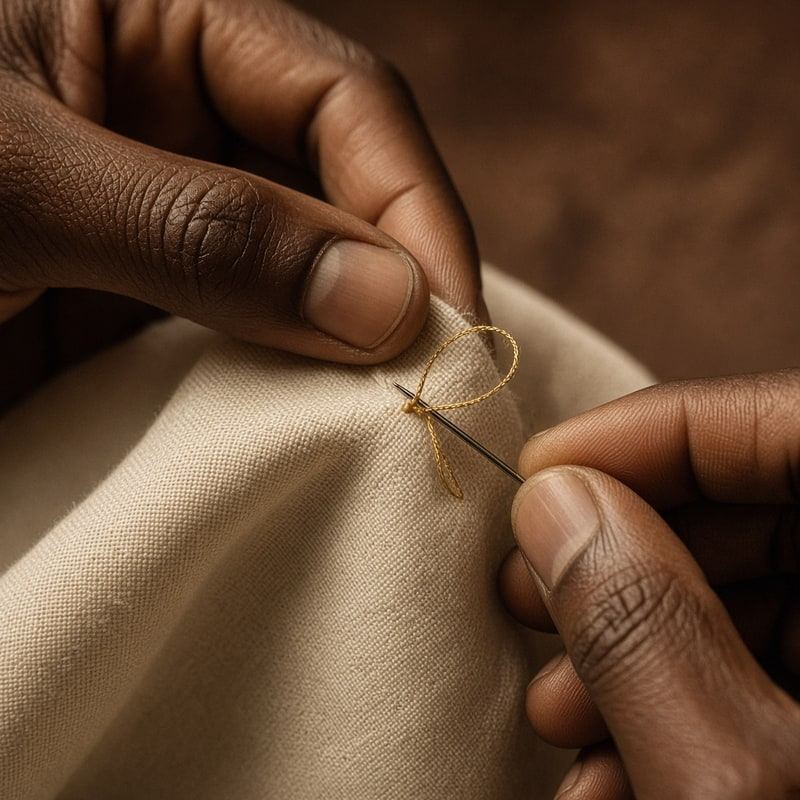
Nsaano is an Akan word meaning “fingertips”
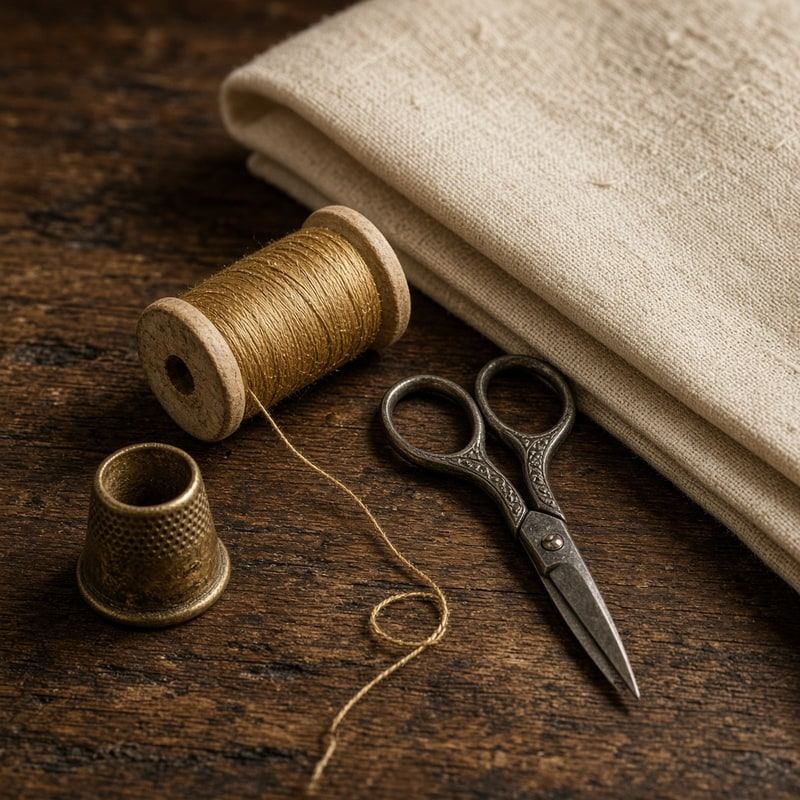
It stands for the delicate touch, precision and care that define true craftsmanship. We cut and stitch in Ghana, then ship to the UK, USA, Canada and Germany: every piece made to order, in a standard size or patterned to your custom measurements.
The name
Taken from the hands that finish the work
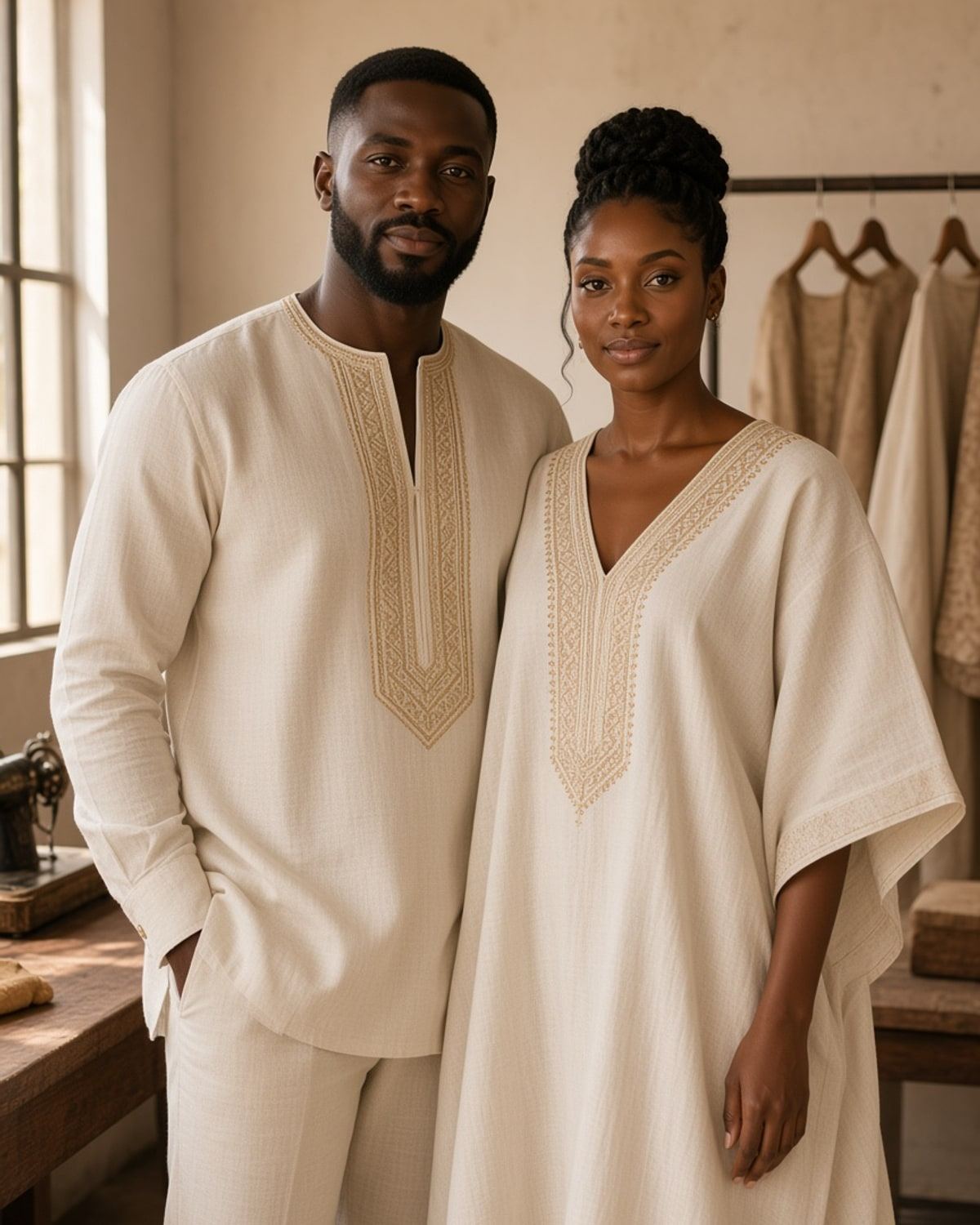
Every piece is a connection between heritage and modern expression, drawn from Ghanaian tailoring and cut for how people dress today: ceremony, work, travel, wedding.
We are not a factory printing a motif onto a generic silhouette. Cloth is chosen, patterned, and stitched by partnered tailors in Ghana. The same tailor who cuts a commission is the tailor who closes it.
How it started
It started with a wedding
Elvis Asante and Ernest Tuffour Addae have been friends for more than ten years. At Elvis’ traditional wedding, the tailors who made his attire left a mark. The work was ceremonial and precise. The pay was not.
Nsaano grew from that: a community of tailors, designers, and customers, and a storefront that exhibits handmade work from partnered tailors in Ghana. The house is the shop window. The hands stay in the atelier.
Why we exist
Heritage, cut for now
The craft is old. The gap is a fair path between the bench and the customer: ceremony-quality cloth and fit, without a factory middle. In Ghana, skilled tailors do ceremonial work without a fair shop window or fair pay. Abroad, buying African clothing is often a printed picture of kente, or a trip home for a fitting you cannot repeat.
Collection pieces and bespoke share the same partnered benches. A batik shirt and a bridal kaba are different garments, not different ethics. Nsaano exists so a customer in London, New York, Toronto, or Berlin can order Accra and Kumasi work without guessing, and so the tailor who made it is named and paid.
If you are ordering from outside Ghana, you are trusting hands you will not meet. We name those hands, photograph the work, inspect in Kumasi, and remake if our cutting is wrong. For a morning in the cutting room, read the journal.

How we make
Seven master tailors across two ateliers in Ghana
We credit every artisan by name, pay above local workshop rates and keep the same hands on your garment from first cut to final stitch. Pieces ship to the UK, USA, Canada and Germany after inspection in Kumasi.
- Master tailors
- 7Master tailors
- Ateliers in Ghana
- 2Ateliers in Ghana
- Lead markets
- 4Lead markets
One garment, one pair of hands
A commission is assigned to a single tailor who cuts it, stitches it, and finishes it. Their name goes on the card that ships with the piece.
Named and paid
We credit every artisan by name and pay above local workshop rates. The people who make the clothes are listed, not hidden behind a brand.
Inspected in Kumasi, then packed
In Kumasi, Ernest Tuffour Addae inspects every piece before it is packed and shipped. Nothing leaves Ghana until it has passed that check. Photographs at cloth, cut, stand, and pack still go to the customer.
Heritage
The cloth is the story
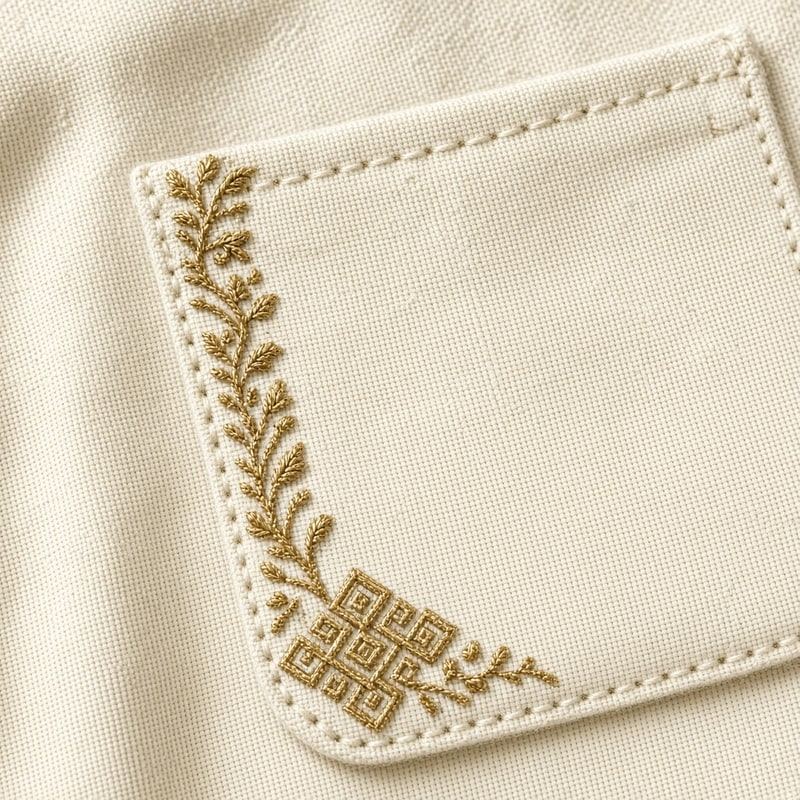
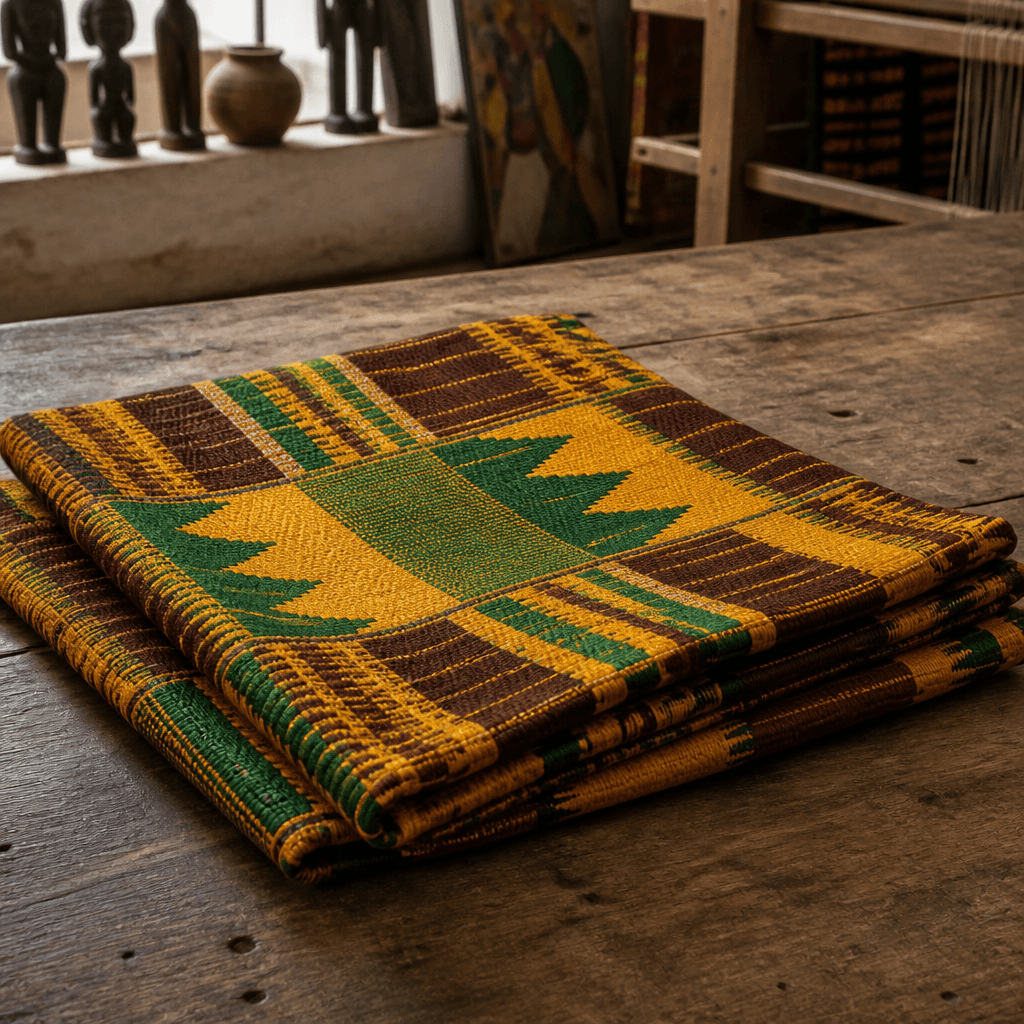
Handwoven kente is a language. Machine-printed kente motif is a picture of kente. We use the former for trim and ceremonial pieces.
Adinkra, batik, and indigo sit on daywear and occasion pieces so the garment reads African atelier, not costume.
Two ways to wear Nsaano
A standard size, or cut to you
Both paths share the same partnered benches in Ghana. The bag is the same. Nothing waits on a shelf: every piece is cut after you order. The difference is whether it is cut to one of our standard sizes, or starts from your measurements.
Standard size
Pick a silhouette from the collection and a size from its guide. It is cut to order in Ghana to those numbers. Standard-size pieces may be exchanged within 14 days if unworn with tags.
Made to measure
Send measurements from anywhere. A tailor replies within two working days. Lead time is four to six weeks. We remake if the fit is wrong because of our cutting, not a change of mind. Duties are included in the payment link, before dispatch. No surprise fees on arrival.
Crafted by fingertips.
Defined by heritage.
Read more, then shop
If you want the morning in the cutting room, the journal is the place. If you want a garment, start with the collection or a brief.